
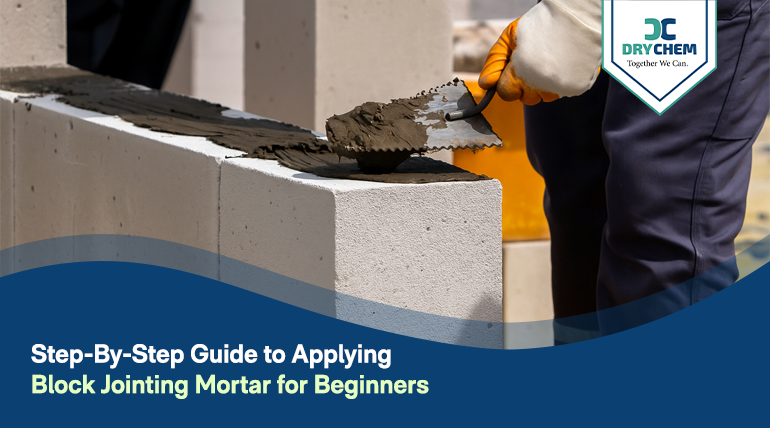
Lightweight concrete blocks such as AAC (Autoclaved Aerated Concrete) and CLC (Cellular Lightweight Concrete) are shaking up modern masonry in India by providing a stronger, lighter, and more energy-efficient replacement for conventional clay bricks. Utilizing block jointing mortar, a factory-prepared mixture of cement, graded sand and polymers, is essential to make the most of these advantages, substituting traditional site-mixed mortar. This polymer-enhanced compound ensures superior adhesion and faster curing, leading to consistent, precise 1-3mm joints for a clean, smooth surface free of cracks. Block jointing mortar is a ready-to-apply product that accelerates construction, considerably lessens material waste, and boosts the overall strength and longevity of buildings for homes, businesses, and factories. Its controlled manufacturing process removes uncertainties on the construction site, eventually increasing the pace of the building timeline and reducing expenses over time.
What Materials Do You Need Before Starting
Before you start, make sure you have the necessary materials and tools ready. You’ll require:
Materials
- Block jointing mortar (pre-packed bag from a reputed manufacturer)
- Clean water for mixing
- Blocks for construction
Tools
- Mixing bucket or mechanical mixer
- Notched trowel
- Rubber mallet
- Spirit level
- Gloves, dust mask and safety glasses for protection
- Brush, sponge or cloth for cleaning block surfaces
Mixing The Mortar
Accurate mixing is the backbone of performance. Follow these steps diligently:
A. Always read the instructions on the mortar bag. Mixing ratios may slightly vary according to brands.
B. Measure clean water in a bucket, approximately 1 part water to 3 to 4 parts of mortar powder.
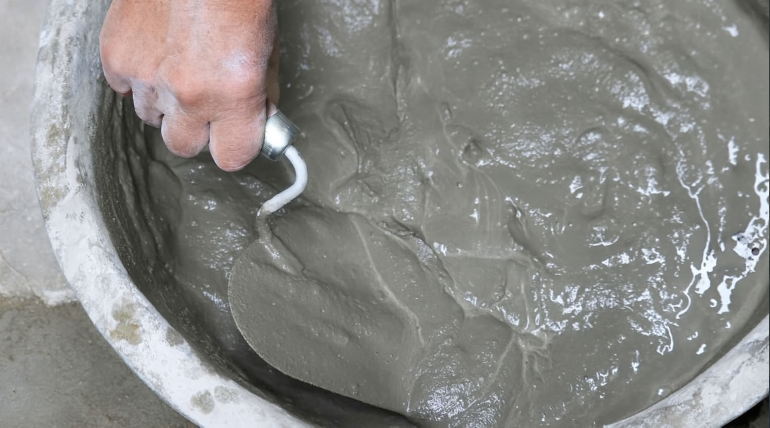
C. Slowly add the powder to water, not the other way around. Mix continuously using a mechanical mixer or hand drill with a paddle for around 2 to 3 minutes until a uniform, lump-free and thick paste is formed. It should neither be too stiff nor too runny.
D. Rest the mixture for 5 to 10 minutes. This allows the additives to activate, improving the workability of the mortar.
E. Remix briefly for about 1 minute before application. No need to add water at this point.
Note that the mortar remains usable for around 1 to 2 hours, depending on temperature and humidity. After this period, it will dry up.
Application Of Block Jointing Mortar
Step 1: Cleaning the surface
Cleanliness and surface condition are crucial to getting strong, durable joints. Remove dust, dirt, oil and loose particles from the AAC or concrete blocks as well as the work area. A brush or cloth can be used to clean the surface for better adhesion. Moisten the blocks a little before mortar application to prevent rapid moisture absorption.
Step 2: Spreading the mortar
Spread a thin, even layer of mortar (around 3 to 5 mm thick) using the notched trowel on the foundation or on the surface of the AAC blocks. The notches ensure a uniform thickness while improving the bond.
Step 3: Placing the block
Press the block gently into the mortar, tapping lightly with a rubber mallet to ensure full contact and correct levelling. Check alignment using a spirit level.
Step 4: Cleaning
Use a damp sponge or brush to wipe away any excess mortar from block faces or mortar that squeezes out of the joints immediately before it hardens. Clean joints give a professional, tidy appearance, assure smoother plastering and help you to dodge additional cleanup tasks later.
Step 5: Building up the wall
Build upwards layer by layer, starting with a level foundation. Use a brick-like pattern for the vertical bonds to spread the load. Fill all joints evenly and check the alignment after each row to ensure straight, strong walls.
Step 6: Curing and protection
Block jointing mortar requires minimal curing unlike conventional cement-sand mixes. For enhanced durability, lightly mist spray water twice daily for 2 to 3 days starting after 24 hours. Adequate attention and meticulousness prevent cracks and ensure structural integrity.

Preventing Common Pitfalls
1. Adding excessive water dilutes the mix, severely weakening its adhesive and binding capabilities.
Solution: Strictly adhere to the manufacturer’s recommended water-to-powder ratio.
2. Thick or irregular layers can lead to misaligned blocks and feeble joints that lack integrity.
Solution: Make use of a specialised notched trowel to maintain a consistent thickness, typically 2 to 3 mm.
3. Debris, dirt and loose material on the blocks obstruct the mortar from gripping tightly and properly.
Solution: Always make certain that the surface of the blocks is clean and dust-free before mortar placement.
4. The jointing mortar can begin to stiffen ahead of time if mixed in excess.
Solution: Only prepare a quantity that can be fully used within the specified working time, generally one to two hours.
5. Skipping crucial alignment checks with a spirit level leads to walls that are crooked or sloping.
Solution: Carefully inspect the horizontal and vertical alignment after setting every single block.
6. Harsh conditions like extreme heat, direct sun and heavy rain can interfere with the mortar’s setting and bonding process.
Solution: Whenever feasible, work in shaded or protected areas.
Quick Hint: Paying heed to these methodological aspects guarantees the construction of more robust and enduring walls, preventing expensive and time-consuming rework later.
Key Takeaway
Block jointing mortar is a modern, efficient alternative to conventional cement mortar for joining AAC and concrete blocks. Its specialized blend and revolutionary formulation ensure strong, durable, and crack-free masonry, while providing thermal insulation. Proper application techniques and adherence to the correct mixing ratio guarantee structurally sound and built-to-last walls. Using this convenient and handy material streamlines construction, reduces waste, and offers a clean, smooth finish, making it a superior choice for various block-laying projects.
Choose Drychem for Reliable Block Jointing Solutions
When it comes to quality, consistency, and performance, Drychem’s Block Joining Mortar stands out as a trusted choice among professionals. Formulated with precision and backed by NABL-accredited R&D, it delivers:
- Excellent workability and bonding strength
- Uniform 1–3 mm joints for cleaner finishes
- Faster setting time to speed up construction
- Superior adhesion that minimizes cracks and rework
- Block and BJM create monolithic structures.
Engineered for modern masonry needs, Drychem’s Block Joining Mortar ensures that every wall you build reflects strength, precision, and durability.
As a trusted toll manufacturer, Drychem also offers custom formulations and co-development solutions tailored to meet specific performance, brand, or regional requirements—helping partners innovate and expand their product portfolios with confidence.
👉 Explore Drychem’s Block Jointing Mortar range, click here to learn more: https://drychem.com/products/signature-offerings/adhesives-grouts/other-adhesives/block-joining-mortar/