

Businesses across industries are increasingly turning to third-party manufacturing to streamline operations, reduce capital investments, and scale production efficiently. Instead of building expensive production facilities, many companies prefer partnering with experienced manufacturers who can handle the formulation, blending, and packaging of their products.
However, choosing a toll manufacturer is not just about finding someone who can produce your product. The right partner becomes a critical extension of your operations, influencing product quality, intellectual property protection, and overall supply chain management.
If you are considering chemical toll blending or third-party manufacturing, here are five essential factors you should evaluate before selecting your production partner.
Key Insights
● A toll manufacturing partner is not just a vendor but an extension of your business operations.
● Protecting intellectual property is critical when sharing proprietary formulations or processes.
● Strong confidentiality measures like NDAs and restricted access systems are essential.
● Quality certifications (like ISO) indicate reliable, standardised manufacturing processes.
● In-house testing and quality control ensure batch consistency and product reliability.
● Scalability is important to handle sudden increases in production demand.
● Flexible infrastructure and production capacity support long-term business growth.
● The manufacturer’s location directly affects logistics costs and delivery timelines.
● Proximity to raw materials and transport networks improves supply chain efficiency.
● Industry experience helps in better process optimisation and regulatory compliance.
● Experienced partners can identify and solve potential production challenges early.
1. Strong Intellectual Property Protection
One of the most important considerations when choosing a toll manufacturer is how well they protect your intellectual property.
Many companies rely on proprietary formulations, unique chemical blends, or specialised production processes that give them a competitive advantage in the market. When you share these formulations with a third-party manufacturer, protecting that information becomes crucial.
A reliable partner provides clear safeguards for your intellectual property, including legally binding Non-Disclosure Agreements (NDAs) and strict confidentiality protocols.
Professional tool manufacturers typically implement multiple layers of protection, such as:
● Confidential formulation documentation
● Controlled access to production data
● Restricted personnel access to sensitive projects
● Secure digital data storage systems
These measures ensure that your product formulas remain confidential and are not shared with competitors or external parties.
Before signing any agreement, always ask about the manufacturer’s IP protection policies and confidentiality practices. A trustworthy partner will be transparent about how they safeguard your proprietary information.

2. Quality Certifications and Testing Capabilities
Quality assurance is another critical factor when selecting a third-party manufacturing partner such as DryChem. Reputed manufacturers like DryChem follow recognised industry standards and maintain strict quality controls throughout the production process.
Reputable manufacturers typically hold certifications such as ISO standards, which demonstrate their commitment to maintaining consistent manufacturing processes, safety compliance, and operational excellence.
Beyond certifications, it is equally important to evaluate their testing and laboratory capabilities.
A strong toll manufacturing partner should offer:
● In-house laboratory testing
● Raw material verification
● Batch consistency testing
● Stability testing for chemical formulations
● Quality inspection at multiple production stages
These capabilities ensure that every batch meets your product specifications and regulatory requirements.
Quality assurance systems not only reduce production errors but also protect your brand reputation by delivering reliable products to your customers.

3. Scalability for Growing Demand
One of the biggest advantages of working with a toll manufacturer is the ability to scale production quickly. However, not every manufacturer has the infrastructure to handle rapid growth.
When choosing a toll manufacturer, it is important to assess whether they can accommodate sudden increases in demand without compromising quality or delivery timelines.
Ask potential partners about:
● Their maximum production capacity
● Availability of additional manufacturing lines
● Workforce scalability during peak demand
● Backup equipment or contingency plans
For example, if your product gains popularity and order volumes surge unexpectedly, your production partner should be able to ramp up manufacturing without delays.
Manufacturers with flexible production systems and modern facilities are better equipped to handle such growth.
Scalability ensures that your supply chain remains stable even when your business expands rapidly.
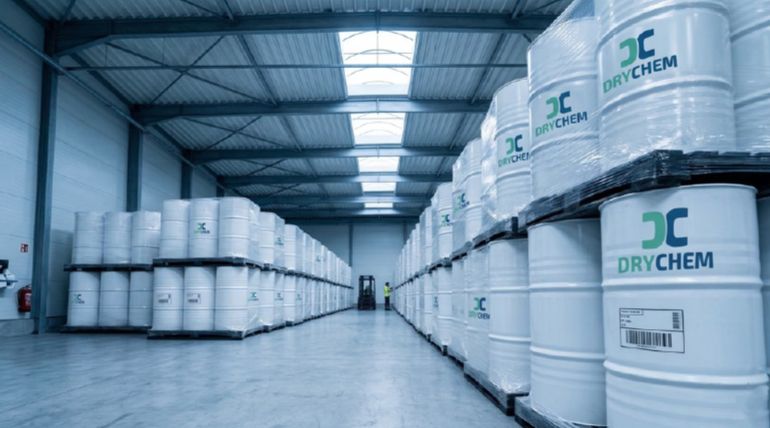
4. Strategic Logistics and Location Advantages
Logistics plays a major role in the efficiency of chemical toll blending and third-party manufacturing. The physical location of your manufacturing partner can directly impact transportation costs, production timelines, and supply chain efficiency.
A well-located manufacturer offers several advantages, such as:
● Easy access to raw material suppliers
● Proximity to major transportation networks
● Faster shipping to distribution centres or customers
● Lower logistics costs
For companies operating in industries like chemicals, construction materials, or industrial products, location can significantly influence operational efficiency.
Manufacturers located near industrial hubs or key supply routes often provide faster turnaround times and smoother supply chain management.
Before selecting a partner, evaluate how their location aligns with your raw material sourcing, warehousing, and product distribution strategy.
5. Experience and Industry Expertise
Finally, the experience of your toll manufacturing partner can greatly influence the success of your product.
Experienced manufacturers understand the complexities of chemical toll blending, regulatory compliance, formulation stability, and production optimisation.
A knowledgeable partner can provide valuable support in areas such as:
● Process optimisation
● Raw material sourcing
● Production efficiency improvements
● Regulatory compliance guidance
● Product consistency and stability
Manufacturers with industry experience are also more likely to identify potential challenges early and recommend solutions before they become costly problems.
When evaluating potential partners, review their past projects, industry expertise, and client portfolio. A manufacturer with a strong track record is more likely to deliver consistent and reliable results.
Final Thoughts
Selecting the right third-party manufacturing partner is a strategic decision that can significantly impact your product quality, operational efficiency, and long-term growth.
By focusing on key factors such as IP protection, quality certifications, scalability, logistics advantages, and industry expertise, businesses can confidently navigate the process of choosing a toll manufacturer that aligns with their goals.
The right production partner does more than just make your product; they also help your business grow and make sure that the quality of your brand stays consistent in the market.
Carefully evaluating these factors will help you build a reliable partnership that drives long-term success in manufacturing and product development.